
Glen Creran field trip report
Tunbridge Filmy Fern from our field trip to Glen Creran woods on Tuesday. A report with many other photos is at http://www.lnhg.org.uk/2015-01-27.htm Carl
Partnered with Argyll Biological Records Centre (ABReC)
Tunbridge Filmy Fern from our field trip to Glen Creran woods on Tuesday. A report with many other photos is at http://www.lnhg.org.uk/2015-01-27.htm Carl
The Flute Lichen is easy to recognise with its hollow or inflated thallus perforated with holes (like a flute). The other two species with a hollow thallus are Hypogymnia tubulosa and H physodes. They have larger lobes than the Flute Lichen and do not have holes. They are both much commoner than the Flute Lichen Read More …
This lichen is easy to find and easy to recognise. It is large, green, and covered with a network of ridges. It is found on trees with alkaline bark, such as hazel, willow, ash, sycamore, mature oaks and beech. It also sometimes grows on rocks in shady humid places. It is only attached at the Read More …
The Hebrew Character is one of the commonest early spring moths, and is easily recognised by the black mark on each wing which supposedly looks like the Hebrew letter N. It can appear in late February but most sightings are in March or April, with a few still on the wing in May. This moth Read More …
The Marsh Violet or Bog Violet is common but often missed, as it flowers in April in the sort of places that botanists tend not to visit until later in the year. It can be recognised by its leaves, once known, but the best way to get to know it initially is to find it Read More …
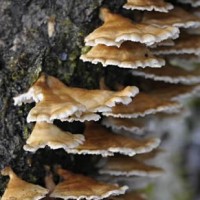
Click the link for a report of our field trip at North Creagan on Saturday 13 Dec. Our next field trip is on Tue 30 Dec, venue to be announced shortly. Carl
Our next field trip is a visit to Glen Creran Woods SSSI which contains old hazel and oak woodland with rich lichen communities. There are also some fine old birch and alder trees with a different group of lichens that prefer acid bark. We will naturally be looking out for anything else we can see Read More …
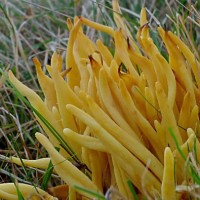
A report on our visit to Lismore on 12 Nov is here. The number of waxcap species seen was the highest we’ve ever recorded and is evidence of very high quality habitat.
This month’s midweek field trip is along the Sustrans cycle track from Lettershuna to Lurignish. This walk was originally announced for December 2013 but was cancelled due to extreme weather conditions. The forecast for Tuesday is quite the opposite: dry and calm. Meet at 10 a.m. at the long layby just after the road meets Read More …
On Wednesday 12th November there is a special visit to Achinduin, Lismore, where last autumn Kiki, who runs the Lismore cafe, found sensational grassland fungi including Violet Coral (gasp!) and White Ballerina Waxcap (swoon!). Ever since then I have wanted to visit the area, and now we have the chance. This is one for the Read More …
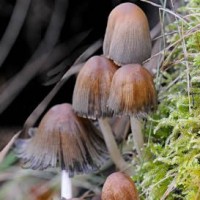
After several days of torrential rain we were lucky enough to have a dry day for our field trip at Kentallen. A report of the trip with photos by some of those who took part is here. Carl
Our midweek field trip this month will be at Kentallen on Tuesday 28th October. We will walk along the new section of the Sustrans cycle track which has recently opened between Kentallen and the Holly Tree Hotel, with possible forays into the surrouding countryside. Meet at 10 a.m. in the parking space just south of Read More …
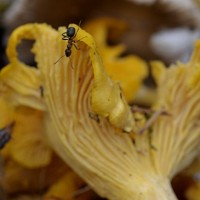
18 forayers turned out for our joint field trip with Clyde & Argyll Fungus Group yesterday. It was unseasonably warm and a lot drier than forecast, with just a few very short showers. Fungi were not as prolific as on our 2011 visit but with so many pairs of eyes we kept foray leader Dick Read More …

Here is a report on our sixth annual Waxcap Wander which took place on Wednesday at Baileouchdarach, Lismore. Carl
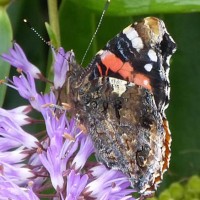
Red Admiral butterflies have been very numerous lately. This one is from our Glen Euchar field trip on Tuesday. Full report with more photos and moth and fungi lists at http://www.lnhg.org.uk/2014-09-30.htm Carl

On Saturday 6th several LNHG members took part in the annual Marsh Fritillary web count at the Ballachuan SWT reserve, the marshy part of which is managed for this endangered butterfly. At this time of year the young larvae are feeding actively and making protective webs on their foodplant, Devilsbit Scabious. This photo shows a Read More …